
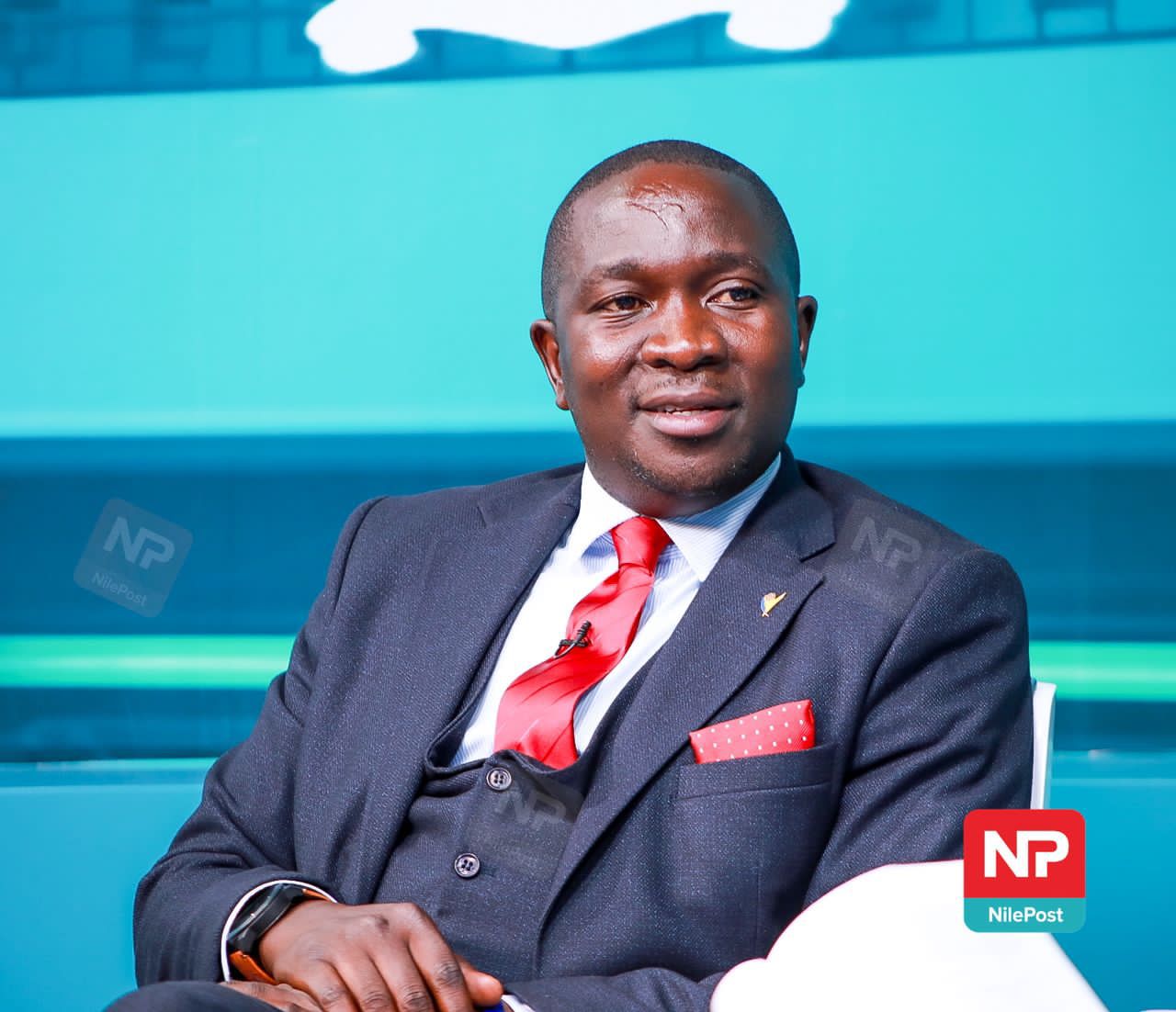
Kira Municipality Member of Parliament elect and National Unity Platform (NUP) lawyer, George Musisi, has questioned the necessity of the proposed Protection of Sovereignty Bill, 2026, warning that it risks criminalising legitimate civic and political activity under the guise of safeguarding national interests.
Speaking during NBS Barometer on Tuesday, Musisi said lawmakers must always demonstrate a clear gap in government leadership before introducing new legislation, cautioning that otherwise Parliament risks enacting laws that serve no practical purpose.
“When introducing a law, it must address a specific gap; otherwise, we risk passing bills in vain. What gap does this Sovereignty Bill seek to address?” he asked.
Musisi’s remarks came amid growing scrutiny of the Bill, which was tabled by State Minister for Internal Affairs General David Muhoozi and proposes a wide-ranging framework to regulate foreign influence across Uganda’s civic, economic, and digital spaces.
Political analyst and former intelligence operative Charles Rwomushana echoed similar concerns, warning that the Bill could further restrict the space in which civil society operates, despite NGOs historically stepping in to fill government service delivery gaps.
“There are many areas where the government has fallen short, and NGOs have stepped in to help, but they are now facing unnecessary restrictions,” Rwomushana said.
The proposed legislation introduces a broad legal category of “agents of foreigners,” covering individuals, organisations, and even Ugandan citizens abroad whose activities are financed, directed, or influenced by external actors.
It also extends regulatory control to digital platforms, bringing online activism, advocacy, and civic engagement under state scrutiny.
Under the framework, affected actors would be required to register with a department under the Ministry of Internal Affairs and undergo extensive vetting, including financial and professional background checks.
The Bill further introduces strict financial controls, including a cap of approximately Shs 400 million in annual foreign funding without ministerial approval, alongside mandatory reporting requirements for financial institutions.
It also grants Cabinet authority over external funding in key sectors such as health, education, infrastructure, and water, effectively placing donor-supported programmes under direct political oversight.
One of the most contentious provisions is the creation of new criminal offences, including “economic sabotage,” defined broadly to include publishing information deemed to undermine Uganda’s economic stability or mobilising opposition to government policy without clearance.
Penalties under the Bill are severe, with individuals facing up to 20 years in prison and organisations liable to multi-billion-shilling fines.
Government officials have defended the Bill as a necessary tool to protect Uganda from foreign interference and covert influence operations, framing it as part of a broader sovereignty and national security agenda.
However, critics warn that its expansive language and vague definitions could expose journalists, researchers, and ordinary citizens to criminal liability for legitimate expression and public debate.
The Bill’s scope has also raised concerns over its reach into digital spaces, with analysts warning that online expression could fall under heightened surveillance and regulation.
Despite the criticism, political dynamics within Parliament appear to favour passage of the legislation.
The ruling National Resistance Movement (NRM) maintains a dominant majority, with more than 350 MPs, alongside independents who frequently align with government positions.
That numerical strength, coupled with internal party consensus reportedly reached at a Kyankwanzi retreat, has significantly reduced prospects of legislative resistance.
Parliamentary leadership is also seen as reinforcing executive priorities, with Speaker Anita Among and Deputy Speaker Thomas Tayebwa presiding over a House widely viewed as disciplined in advancing government-backed legislation.
Within the broader political establishment, Chief of Defence Forces General Muhoozi Kainerugaba has also publicly expressed support for Speaker Among, signalling alignment within key power centres ahead of legislative debate.
Observers further note that the timing of the Bill, introduced toward the end of the parliamentary term, may reduce resistance from legislators focused on political survival and party alignment ahead of the next election cycle.
Taken together, analysts say these factors create a strong institutional pathway for the Bill’s passage, despite mounting criticism from legal experts, civil society actors, and opposition figures questioning its constitutional and democratic implications.
